The Role of Automation in Industrial Material Handling
Introduction
In the modern industrial landscape, automation is redefining the way materials are moved, stored, and processed across manufacturing and warehousing operations. With increasing demand for precision, efficiency, and safety, automated material handling systems have become a vital part of sustainable industrial growth.
At Mac Engineers, we believe that integrating automation in material handling is not just a technological upgrade — it’s a strategic move toward productivity, reliability, and long-term operational excellence.
1. What Is Industrial Material Handling Automation?
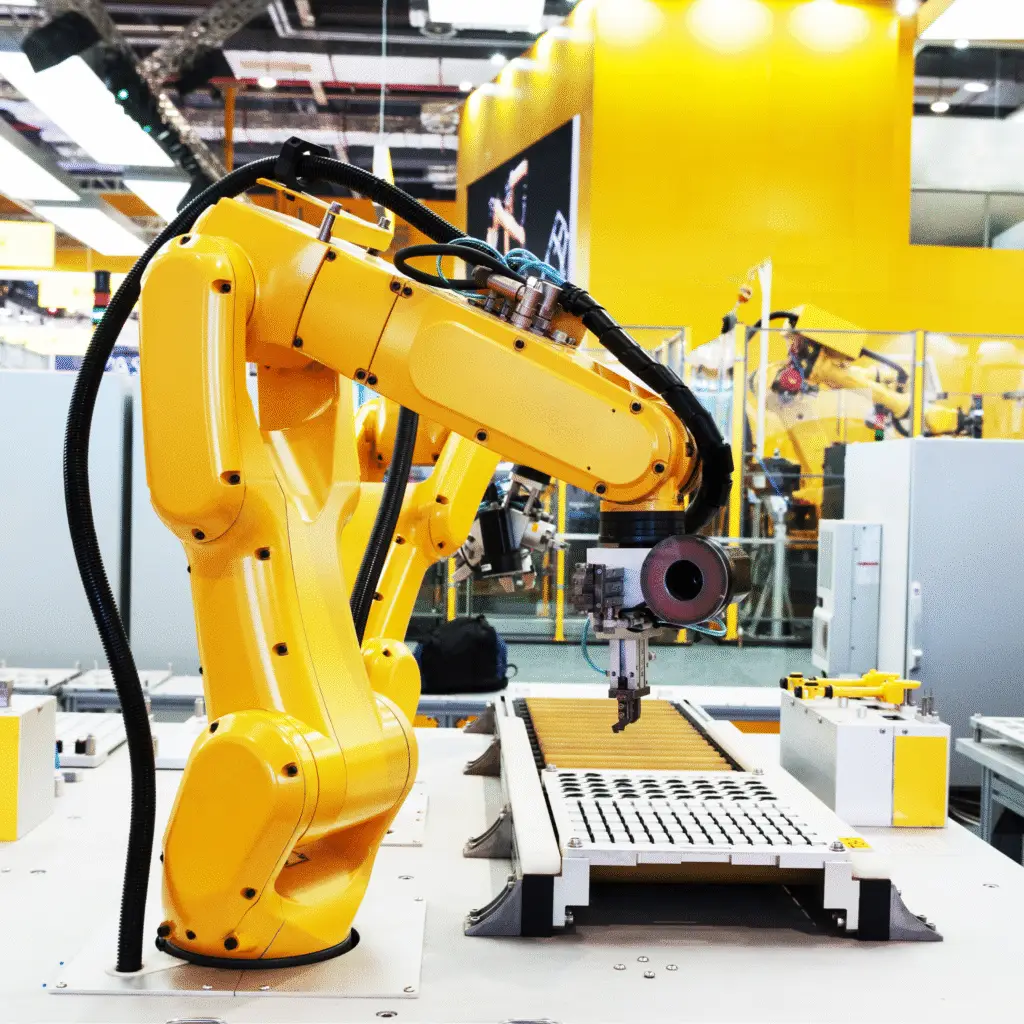
Automation in material handling involves the use of advanced systems and technologies — such as conveyors, automated guided vehicles (AGVs), robotic arms, and sensors — to move raw materials, semi-finished products, or finished goods within a plant with minimal human intervention.
These systems are designed to streamline workflow, reduce manual labor, and ensure seamless connectivity between production stages.
2. Key Benefits of Automation in Material Handling
a. Increased Efficiency
Automated systems operate with precision and speed, ensuring consistent throughput and reducing downtime. Processes that once took hours can now be executed in minutes, leading to faster production cycles.
b. Enhanced Safety
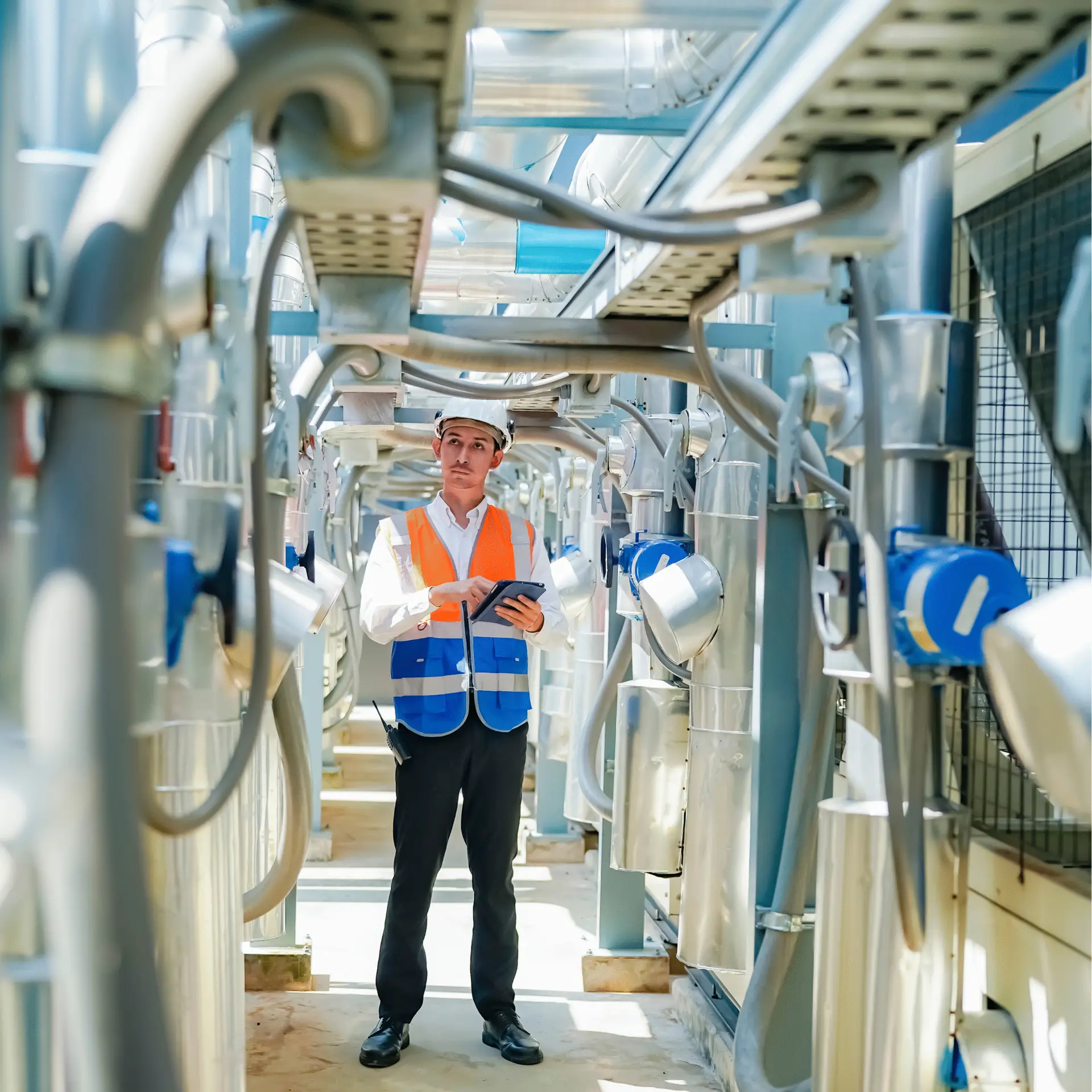
Manual material handling often poses risks such as injuries, fatigue, or mishandling of heavy loads. Automation minimizes human exposure to hazardous tasks, improving overall workplace safety.
c. Cost Optimization
Although automation requires initial investment, it offers long-term cost savings through reduced labor costs, minimal material loss, and lower maintenance downtime.
d. Improved Accuracy and Traceability
Automation ensures that materials are handled with precision and tracked in real-time, enhancing inventory management and reducing errors.
e. Scalability
Automated material handling systems can be easily expanded or reprogrammed to adapt to future production demands, making them a smart long-term investment.
3. Technologies Driving Automation
Several technologies are contributing to the transformation of material handling:
Robotics: Automated robots are used for palletizing, sorting, and packing.
IoT and Sensors: Smart sensors provide real-time data on material flow and equipment performance.
Conveyor Automation: Intelligent conveyor systems integrate with control panels for smooth transfer of materials.
Automated Storage & Retrieval Systems (AS/RS): Efficiently manage large inventories with minimal human input.
AI and Data Analytics: Predictive analytics optimize system performance and maintenance schedules.
4. The Mac Engineers Perspective
At Mac Engineers, we design and manufacture customized material handling equipment — including screw conveyors, belt conveyors, bucket elevators, and automated storage systems — engineered to integrate seamlessly into automated industrial setups.
Our solutions focus on durability, safety, and automation readiness, helping industries reduce operational challenges and move toward Industry 4.0 standards.
5. Conclusion
Automation in material handling is not a luxury — it’s a necessity for industries aiming to achieve higher efficiency, safety, and competitiveness. By adopting automated solutions, companies can ensure consistent performance, better resource utilization, and reduced human errors.
At Mac Engineers, we are committed to empowering industries with innovative material handling solutions that support automation and operational excellence.
For customized automation-ready material handling solutions, contact us at:
📧 Info@macengineers.in
🌐 www.macengineers.in
📞 +91 94099 82541