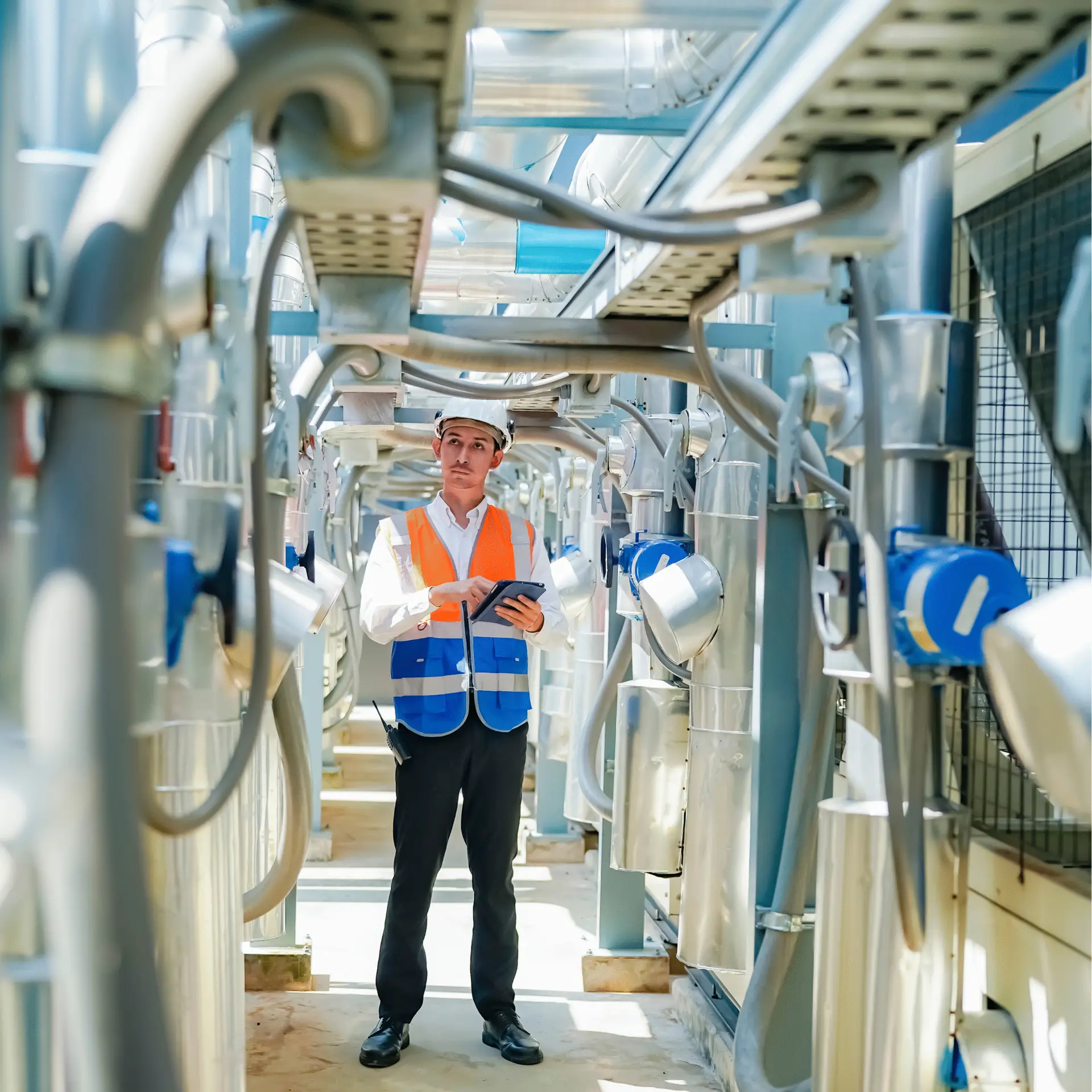

Designing Efficient Conveyor Systems for Industrial Plants
Introduction
Conveyor systems are critical to the smooth functioning of industrial plants, enabling efficient movement of materials across production lines. Well-designed conveyors reduce labor costs, minimize material handling time, and improve overall productivity. The key to success lies in designing efficient and reliable conveyor systems tailored to the specific needs of each industrial operation.
Importance of Efficient Conveyor Design
An optimized conveyor system ensures:
Continuous material flow without bottlenecks
Reduced operational costs and energy consumption
Improved workplace safety and ergonomics
Enhanced process efficiency and productivity
Inefficient or poorly designed conveyors can lead to downtime, excessive wear, and higher maintenance costs.
Key Considerations in Conveyor System Design
Material Characteristics
The type, size, weight, and flow properties of materials influence the choice of conveyor type and design parameters.
Conveyor Type Selection
Belt Conveyors: Ideal for bulk and packaged materials.
Screw Conveyors: Efficient for powders, granules, and semi-solid materials.
Bucket Elevators: Best for vertical transport of granular or bulk materials.
Customized Solutions: Tailored systems for specific industrial needs.
Load Capacity and Speed
Correctly sizing the conveyor ensures it handles the intended load efficiently while maintaining optimal speed for production requirements.
Energy Efficiency
Incorporating energy-efficient motors, drives, and automation reduces operating costs and environmental impact.
Safety Features
Emergency stops, guards, sensors, and interlocks ensure operator safety and regulatory compliance.
Maintenance and Accessibility
Designing for easy access to components facilitates routine maintenance, reduces downtime, and extends equipment life.
Benefits of Efficient Conveyor Systems
Minimized production delays and downtime
Optimized material handling efficiency
Lower energy consumption and operating costs
Increased safety and reliability
Extended equipment lifespan
Why Mac Engineers
At Mac Engineers, we design and manufacture custom conveyor systems for industrial plants across India. From belt conveyors and screw conveyors to bucket elevators, our solutions are engineered for efficiency, reliability, and safety. We provide expert guidance on layout, design, and maintenance to ensure your material handling operations run smoothly.
Conclusion
Designing an efficient conveyor system is essential for modern industrial plants aiming to maximize productivity, reduce costs, and improve safety. With the right engineering expertise and high-quality equipment from Mac Engineers, industries can achieve seamless and efficient material handling.